
Skilled Migration Pathway
Baker Skills Assessment Australia | ANZSCO 351111 TRA Guide (June 2026)
Bakers are valued tradespeople across Australia's bakery, supermarket, hotel, and artisan food sectors, supplying the bread and baked goods that form a staple of the Australian diet. With strong demand from commercial bakeries, supermarket chains, and the growing artisan/craft bakery movement, Bakers from overseas have solid and achievable migration pathways to Australia.
This guide covers the Trades Recognition Australia (TRA) skills assessment, visa pathways, salary, and permanent residency (PR) options as they stand in June 2026.
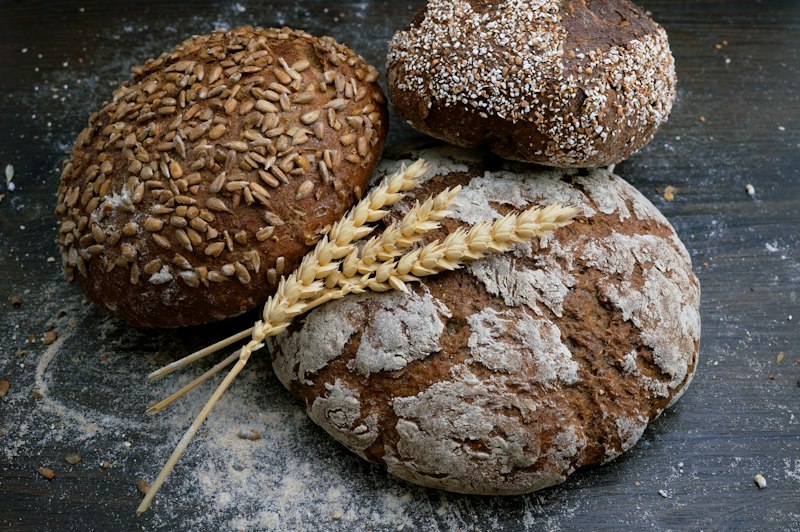
Occupation Snapshot – Quick Reference Table
| Detail | Information |
|---|---|
| Occupation | Baker |
| ANZSCO Code | 351111 |
| Skill Level | Skill Level 3 |
| Skills Assessing Body | TRA (Trades Recognition Australia) — Migration Skills Assessment (MSA) |
| Eligible Visa Subclasses | 190, 491, 482, 186 |
| Occupation Lists | STSOL (confirmed June 2026) |
| Minimum Points Required | 65 points |
| English Requirement | Competent English (IELTS 6.0 each band) |
Baker (ANZSCO 351111) is confirmed on the Short-Term Skilled Occupation List (STSOL) as of mid-2026, NOT the MLTSSL. This means the Subclass 189 (Skilled Independent) visa is NOT AVAILABLE for this occupation.
Eligible pathways are restricted to the Subclasses 190, 491, 482, and 186 visas. Always verify current list status with the Department of Home Affairs or a registered migration agent before lodging your EOI, as occupation list placements can change between rounds.
ANZSCO 351111
Who is a Baker (ANZSCO 351111)?
A Baker prepares and bakes bread loaves, rolls, and related baked goods using both traditional and modern techniques. Under ANZSCO 351111, core duties include:
- Checking the cleanliness of equipment and premises before production to ensure compliance with food safety regulations
- Checking the quality of raw materials and accurately weighing ingredients
- Kneading, maturing, cutting, moulding, mixing, and shaping dough
- Coordinating the forming, loading, baking, unloading, de-panning, and cooling of batches of bread and rolls
- Operating machines that roll, mould, and divide dough
- Emptying, cleaning, and greasing baking trays, tins, and other cooking equipment
- Adjusting oven temperatures and baking times to achieve consistent product quality
- Maintaining stock levels of flour, yeast, and other key baking ingredients
- Ensuring food hygiene and workplace health and safety standards are met throughout production
- Producing artisan, sourdough, and specialty bread products (for craft and boutique bakeries)
Bakers in Australia work in commercial bakeries, supermarket in-house bakeries, hotel and restaurant bakeries, and increasingly in the growing artisan and craft bakery sector.
Skills Assessment
Skills Assessment: TRA (Trades Recognition Australia)
The designated skills assessing authority for Bakers (ANZSCO 351111) is Trades Recognition Australia (TRA), via the Migration Skills Assessment (MSA) program. TRA assesses whether your qualifications and experience are comparable to the Australian Skill Level 3 standard for this occupation (AQF Certificate III with at least two years of on-the-job training, or AQF Certificate IV).

TRA Assessment Pathways
Pathway 1 – Qualifications + Experience
Hold a qualification assessed as comparable to an Australian Certificate III (with two years on-the-job training) or Certificate IV in Baking AND have the required period of relevant employment as a Baker.
Pathway 2 – Experience-Based Assessment
At least three years of full-time relevant employment as a Baker can substitute for the formal qualification.
Key Documents Required
- Academic qualifications: Certified copies of academic qualifications and transcripts (baking trade certificate/diploma).
- Employment reference letters: Detailed letters on official letterhead specifying baking duties, production volume, equipment used, dates, and hours per week.
- Professional CV/Resume: Fully updated summary of employment history.
- Identity Documents: Passport copy and translation of non-English documents.
- Forms & Fees: Completed TRA application form and fee payment (approx. AUD $750–$1,100).
Processing Time: Approximately 3–6 months depending on complexity.
Reference letters should specify the type of bakery operation (commercial high-volume, artisan/craft, supermarket in-house), the equipment used (deck ovens, rotary ovens, dough dividers, proving cabinets), and the range of products produced — this strengthens your application and helps Australian employers understand your specific skill set.
Eligible Visas
Visa Subclasses for Bakers
Several temporary and permanent visa classes apply to Bakers under the Short-Term Skilled Occupation List (STSOL).
| Visa Subclass | Visa Name | Key Feature |
|---|---|---|
| 190 | Skilled Nominated | PR; state nominates; +5 points bonus |
| 491 | Skilled Work Regional (Prov.) | Provisional; regional; pathway to PR via 191 |
| 482 | Temporary Skill Shortage | Employer sponsored temporary visa |
| 186 | Employer Nomination Scheme | Employer sponsored permanent residency |
Visa 190 – Skilled Nominated
The Subclass 190 is the primary points-based PR pathway for Bakers without employer sponsorship. State nomination adds 5 bonus points. Baker is commonly listed on state occupation nomination lists given consistent demand from commercial bakeries and supermarket chains nationwide.
Visa 491 – Skilled Work Regional
The 491 visa suits Bakers willing to work in regional Australia, where small-town bakeries are often a community staple and frequently struggle to find qualified staff. The 491 adds 15 bonus points and leads to permanent residency via the Subclass 191 visa after 3 years in a regional area.
Visa 482 – Temporary Skill Shortage (TSS)
Commercial bakeries, supermarket chains, and hotel/restaurant groups across Australia sponsor Bakers under the TSS 482 visa for up to 4 years, providing a clear pathway to gain Australian experience.
Visa 186 – Employer Nomination Scheme (ENS)
The ENS 186 visa provides permanent residency through employer nomination — via the Temporary Residence Transition stream (after 3 years on a 482 visa) or the Direct Entry stream for offshore applicants with an eligible Australian employer.
Points Test
Points Test for Bakers (190/491 Visas)
General Skilled Migration visas require meeting a minimum score of 65 points. Below is a breakdown of how points are allocated:
| Factor | Details | Points |
|---|---|---|
| Age | 25–32 years | 30 points |
| English – Proficient | IELTS 7.0 each band or equivalent | 10 points |
| English – Superior | IELTS 8.0 each band or equivalent | 20 points |
| Overseas experience | 8–10 years post-qualification | 15 points |
| Australian experience | 8–10 years | 20 points |
| Qualifications | Certificate III/IV qualification comparability | 10 points |
| Australian Study | Minimum 2 academic years study | 5 points |
| Partner skills / single | Competent partner / Single applicant | Up to 10 points |
| State nomination | Subclass 190 visa nomination | 5 points |
| Regional nomination | Subclass 491 visa nomination | 15 points |
Language Level
English Language Requirements
- IELTS: 6.0 per band (Competent - base requirements); 8.0 per band (Superior - 20 pts)
- PTE Academic: 50 per skill (Competent); 79 (Superior)
- TOEFL iBT / OET / CAE: Equivalent band scores accepted (TOEFL iBT: 12/13/18/18; OET: Grade B; CAE: 169 per skill)
Bakery Trends
The Growing Artisan and Craft Bakery Market in Australia
Australia has seen significant growth in artisan and craft bakeries over recent years, creating new opportunities for Bakers with specialist skills:
- Sourdough and Natural Fermentation: High consumer demand in capital cities and regional towns.
- European-Style Baking: French, German, and Eastern European bread traditions are increasingly popular.
- Gluten-Free and Specialty Dietary Products: Growing market segment across Australia.
- Wholesale and Cafe Supply Bakeries: Supplying bread and baked goods to cafes and restaurants.
Bakers with artisan or specialty skills can find strong opportunities beyond traditional commercial bakery settings, often in boutique businesses willing to sponsor skilled overseas talent.
Salary Insights
Baker Salary Expectations in Australia (2026)
Qualified Baker (0–3 years)
AUD $55,000 – $68,000 per year
Experienced Baker (3–8 years)
AUD $68,000 – $85,000 per year
Head Baker / Production Supervisor
AUD $85,000 – $105,000 per year
Bakery Manager / Artisan Bakery Owner
AUD $95,000 – $140,000+ per year
Early morning and overnight shift allowances common in commercial baking can also boost overall take-home pay.
Nomination Opportunities
State Nomination Opportunities for Bakers
- New South Wales: Strong demand across Sydney's commercial and artisan bakery scene.
- Victoria: Melbourne's strong cafe and bakery culture drives consistent demand.
- Queensland: Growing demand in Brisbane and regional tourism towns.
- Western Australia: Steady demand across Perth and regional WA.
- South Australia: Adelaide's food culture and regional bakery shortages.
- Tasmania: Strong regional demand with reduced competition for nominations.
- Northern Territory: Remote area bakery shortages often included on regional lists.
Occupation Differences
Baker (351111) vs Pastrycook (351112)
| Feature | Baker (351111) | Pastrycook (351112) |
|---|---|---|
| Primary Focus | Bread loaves and rolls | Buns, cakes, biscuits, and pastry goods |
| Occupation List | STSOL | STSOL |
| 189 Visa Eligible | No | No |
| Assessing Body | TRA (MSA) | TRA (MSA) |
Both occupations sit within the same broader Bakers and Pastrycooks ANZSCO unit group but are assessed under separate codes. Choose the code that matches your dominant trade experience — bread production for Baker, or cakes/pastries/desserts for Pastrycook.
Migration Services
Why Migrate & How Migration Republic Can Help Bakers
Baker offers a solid and achievable migration pathway to Australia, particularly through state nomination and employer sponsorship given consistent industry demand. Migration Republic's experienced team will help you build a strong TRA application and visa strategy.
Our services for Bakers include:
- ✔ TRA/MSA application preparation and document review
- ✔ ANZSCO code guidance (Baker vs Pastrycook) for the strongest application
- ✔ State nomination strategy for 190 and 491 visas
- ✔ Employer sponsorship guidance for 482 and 186 visas
- ✔ Points score calculation and optimisation
- ✔ Full visa lodgement and ongoing case management
👉 Rise to the occasion — bring your baking career to Australia. Let's plan it right.

Interactive Tools
Calculate Points & Check Your Visa Eligibility
Use our interactive self-service migration tools to calculate your points score, test your eligibility, and discover your potential Australian visa options instantly.
PR Points Calculator
Calculate your skilled migration points score instantly to check your eligibility for permanent residency pathways.
Calculate Points ↗Visa Selection Quiz
Take our quick interactive quiz to find the most suitable Australian visa subclass for your personal profile.
Start Visa Quiz ↗Eligibility Checker
Verify if you meet the core requirements for Australian skilled, regional state nomination, or employer-sponsored visas.
Check Eligibility ↗FAQ
Frequently Asked Questions
Ready to Start Your Baker Visa Pathway?
Let Migration Republic guide you through every step of your visa pathway to Australia. Contact our team today for a consultation.
Book Consultation TodayDisclaimer: Immigration laws, occupation lists, and assessing body requirements change regularly. This content is for general informational purposes only and does not constitute legal or migration advice. Please consult a registered migration agent or legal practitioner for advice specific to your circumstances.
SEO BY BSH Solutions